Joukahaisenkatu 3, 20520 Turku Finland
+358 46 633 5100


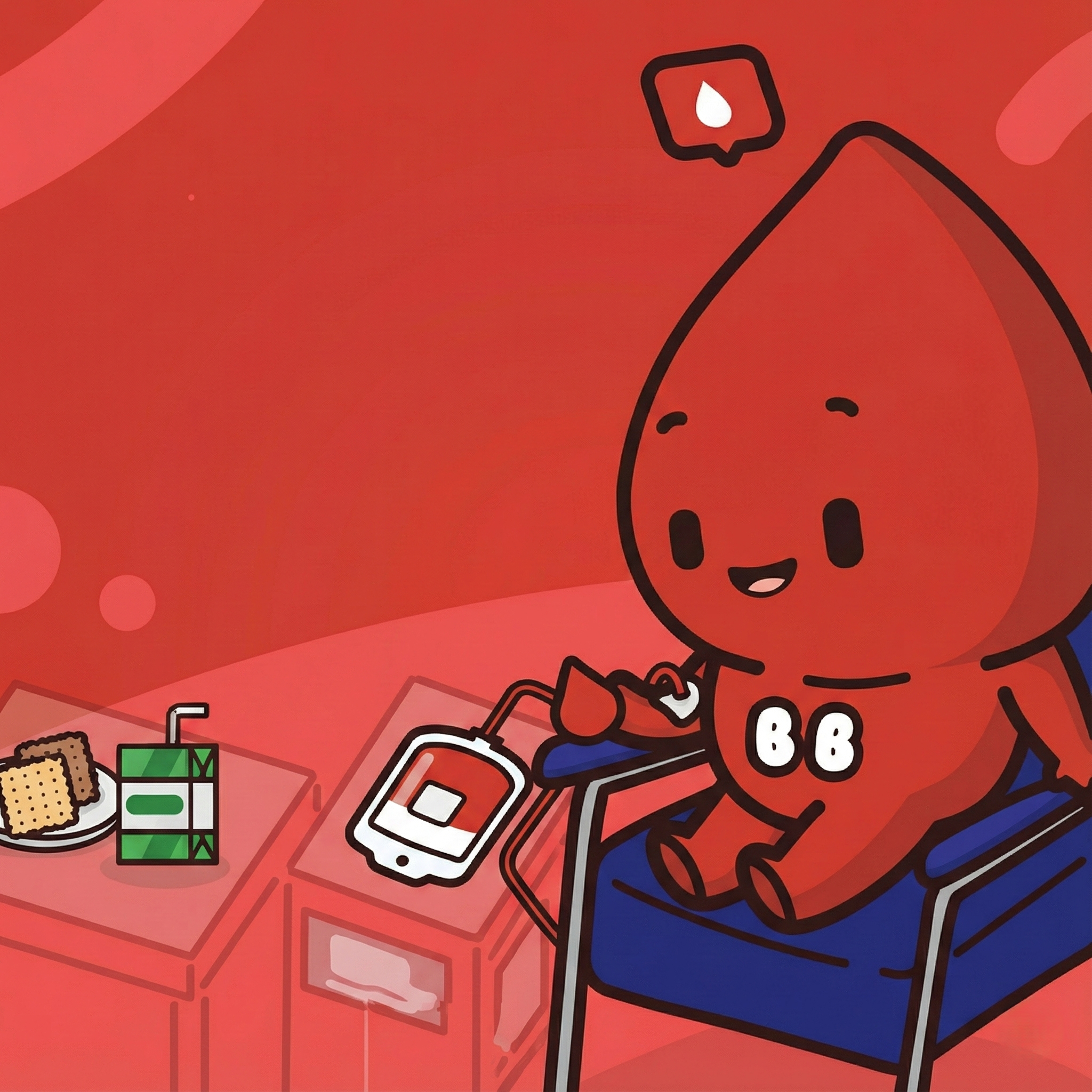
Your donation is vital. Right now, only 3% of Finns donate blood. To ensure hospitals have enough blood for all patients, 20,000 new donors are needed every single year. Regular donors sometimes have to stop, so new heroes like you are essential to keep the supply stable.
Doing good feels great, but you also get some real benefits!
You find out your blood type.
You get your haemoglobin levels checked.
You get free coffee and snacks after you donate.
You get a moment of calm in your busy day and the amazing feeling of knowing you just helped save a life.
You can probably donate blood if you:
Are between 18 and 59 years old (to donate for the first time).
Weigh at least 50 kg.
Are in good general health.
Alcohol: You cannot donate if you are under the influence (drunk or hungover).
Note: Donation is also prohibited if you have a history of alcoholism (due to potential liver damage) or are currently in a detox program.
Medications: Most common medications (like for blood pressure, cholesterol, or tablet-treated diabetes) do not prevent you from donating.
Tattoos & Piercings: You can donate! You just need to wait 4 months after getting a new tattoo, piercing, or permanent makeup.
The Best Way to Know: The rules can be specific. The easiest way to check is by using the official 2-minute eligibility test at canidonate.fi.
No special prep is needed! Just remember:
Eat and drink normally on the day of your donation.
Bring a photo ID (your driver’s license or passport is perfect).
You don’t need to know your blood group beforehand.
Your donation goes on an amazing journey.
It’s transported and tested for your blood group and for any infections.
It’s separated into three parts: red cells, platelets, and plasma.
These different parts are sent to hospitals across Finland to help different patients. Red cells might go to an accident victim, while platelets (which only last 5 days) are vital for cancer patients.
At the donation venue
Rest on the donation bed until you feel ready to sit up, and then spend a moment sitting on the edge of the bed before standing up.
Help yourself to a drink and a snack in the refreshments area. Make sure that you are well hydrated on the day of your donation. You can drink water, juice or mineral water. Your body will replace the fluids that you lose by donating blood within 24 hours.
The first few hours: Avoid prolonged standing, as it can cause you to feel dizzy and increase the risk of fainting.
The rest of the day: Avoid vigorous exercise, hot baths (including sauna) and alcohol.
Leave the plaster on your arm for no longer than two hours. The bandage should be kept on for approximately 3–4 hours.
Avoid strenuous use of your arm and heavy lifting on the day of your donation. This helps to reduce the risk of bruising.
We hand out iron tablets to female donors under the age of 50 as well as to all other frequent donors, as donating blood removes iron from the body. Make sure to take all the tablets as instructed. It is also important that you get enough iron from your diet.
If you develop a bruise at the injection site: Apply a cold pack or gel to the bruise a few times during the first 24 hours. If you are in pain, you can also take paracetamol during the first 24 hours, and NSAIDs (such as ibuprofen) thereafter.
you become unwell within a week (fever, upset stomach, etc.),
you are diagnosed with a serious illness (such as cancer) within a month of donating blood, or
you find out that you or your sex partner has been infected with a blood-borne disease (such as HIV or hepatitis B or C).
Toll-free blood donor helpline: 0800 0 5801
All blood donors are insured against adverse effects caused by blood donation. Contact the Finnish Red Cross Blood Service for more information.